
Concealed Routes in Walls & Ceilings
Cables run inside conduit, cable tray, or trunking behind walls and ceilings — nothing hangs loose in the room.
- Conduit
- Cable tray
- Trunking
AV Installation Services · Jakarta & All of Indonesia
Clean, safe physical installation built to drawing — with concealed cable management, well-ordered racks, and every point tested before the system is switched on.
System installation is the physical work of mounting every device to drawing — brackets, cabling, racks, terminations, and finishing — until the system is ready to be configured and tested.
This is the stage most often underestimated, and the one that most determines how long a system lasts. The wrong cable type, a careless termination, or a bracket rated below its load will surface as a problem years later — usually just as the room is being used for something important.
Cables run inside conduit, cable tray, or trunking behind walls and ceilings — nothing hangs loose in the room.
Connection points are built into the table or floor, so laptops connect without cables running across the table or floor.
Power and signal cables follow separate routes to prevent hum and interference on both audio and video.
Both ends of every cable are labelled and colour-coded by signal type, so tracing a fault takes minutes.
Cables are laid within their specified bend radius and left with spare length for maintenance without re-pulling.
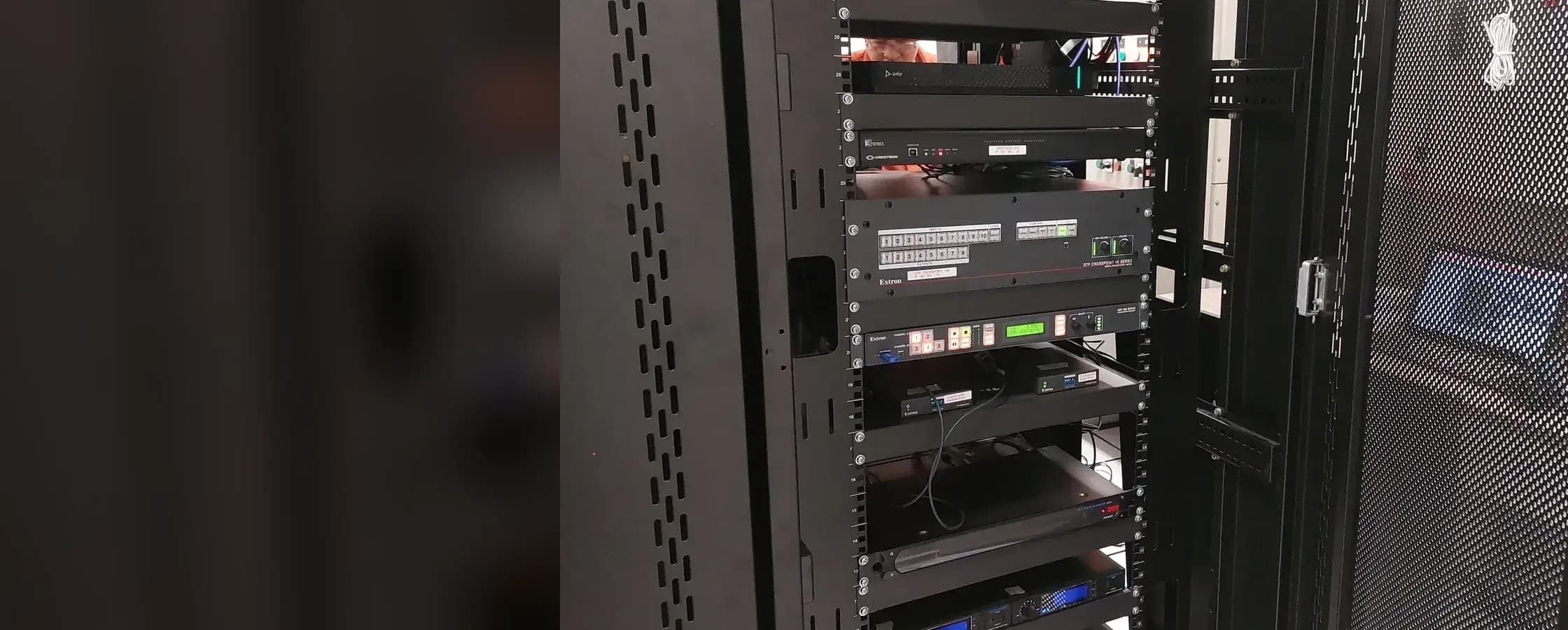
Rack cabling is dressed with velcro and lacing bars, separated by function, with airflow and service access preserved.
Good installation is the kind you do not notice: the room stays clean, the system stays stable, and technicians can maintain it with ease for years.
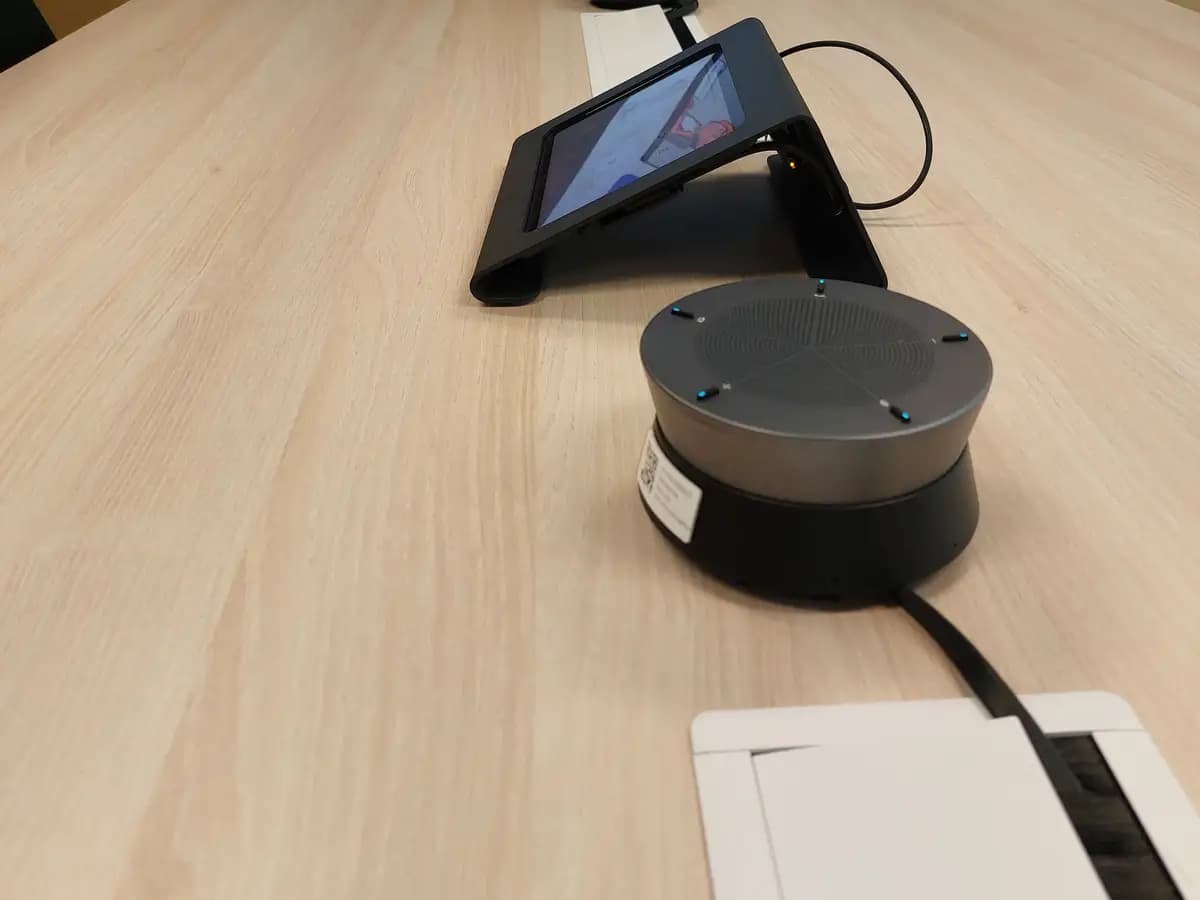
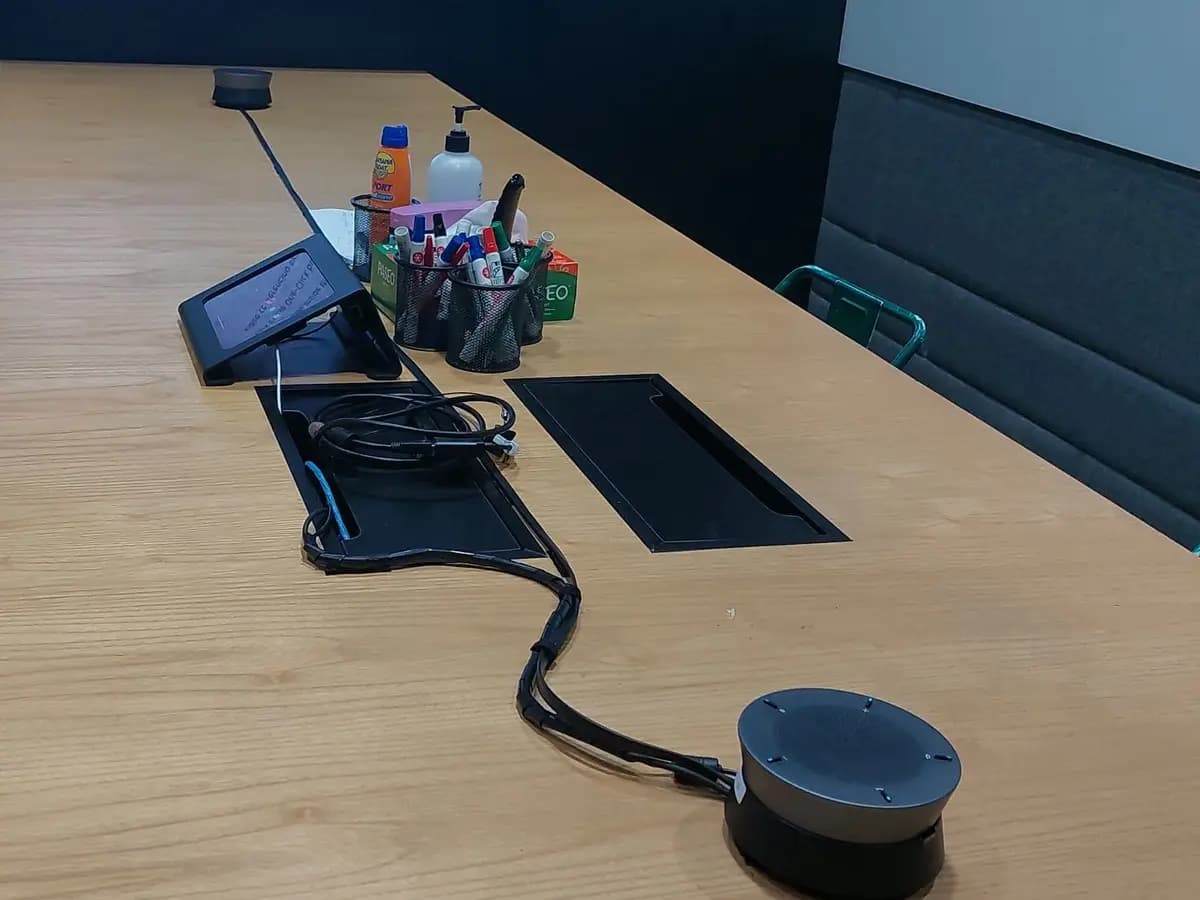
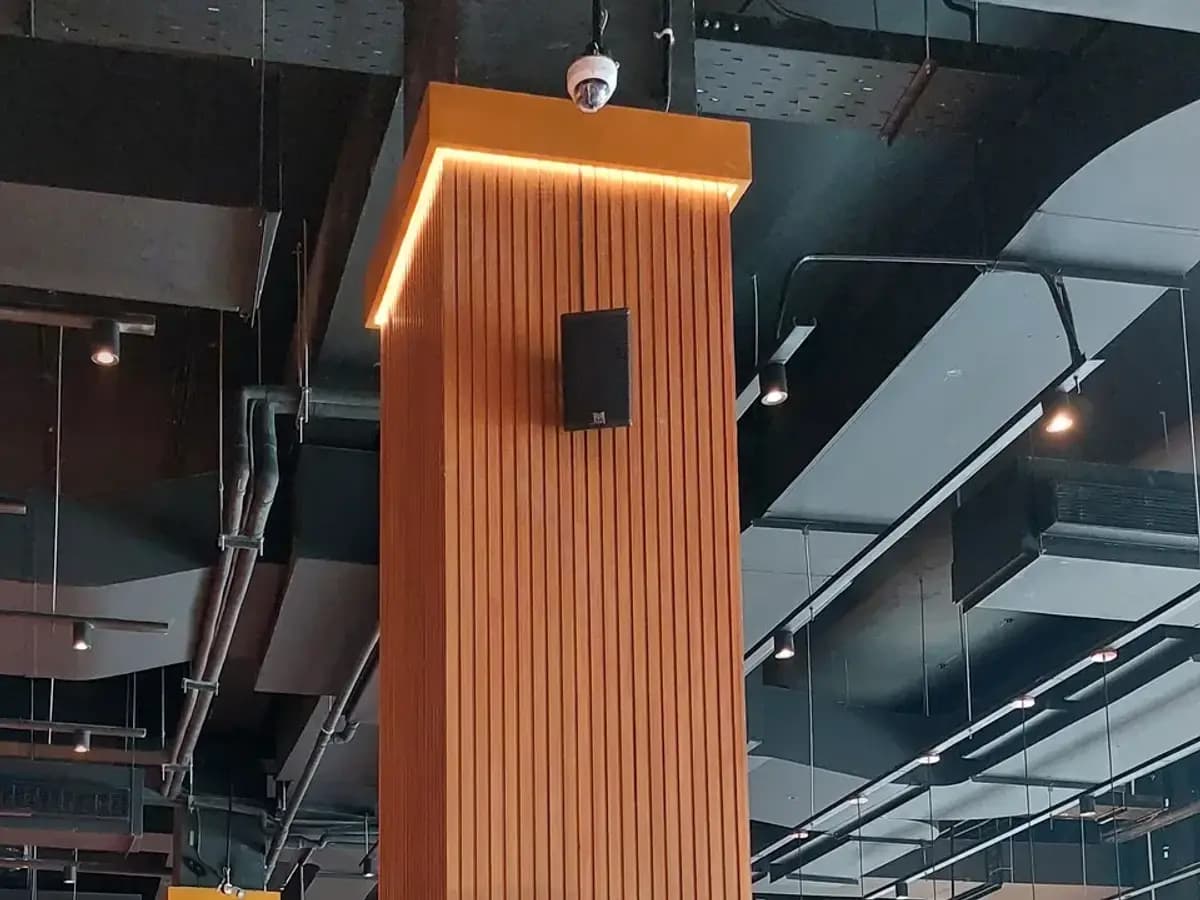
No cables strewn across tables, floors, or walls — the interior looks exactly as the architect designed it.
Every route is hidden behind walls, ceilings, and furniture; only devices and faceplates are on show.
Labels, service loops, and ordered racks mean devices can be swapped or added without tearing anything out.
Load-rated brackets, grounded racks, and no cables for anyone to trip over.
Route separation and correct terminations prevent hum, flickering pictures, and intermittent connections.
Point test records, photos of routes before ceilings close, and as-built drawings are handed over to you.
GVM engineers and technicians complete official training from manufacturers and international institutions. Click a certificate to view it full size.

APAC Jabra Masterclass – Video Collaboration

NAV Pro – High Performance IP-Based AV Systems

Digibird System

iSEMC Professional Engineer

Q-SYS Level 1 Training

Q-SYS Control 101 Training
Answers to the questions we hear most often before installation work begins.
Because we install to standards that can be inspected afterwards: labelled cable routes, bend radii within specification, separated power and signal paths, and ordered racks. Our team is certified, used to working in buildings that stay open, and coordinates with civil, M&E, and interior contractors — backed by more than 100 AV & IT projects since 2019.
Cable management is how cable routes are organised — concealed, separated by function, labelled, and left with spare length. The result is more than a tidy room: signals are more stable because they are free of interference, trip hazards disappear, and technicians can trace or replace cables without opening ceilings or walls.
A corporate meeting room installation typically takes 5–10 working days, a residential home theatre 3–7 days, an auditorium or hotel ballroom 2–4 weeks, and large projects such as government buildings or stadiums 1–3 months. Duration depends heavily on how ready the civil and M&E works are, since first fix must be complete before ceilings are closed.
Yes. We take on installation work for client-supplied equipment. Before starting, we verify that the equipment is complete and appropriate for the space. Note that equipment warranty continues to follow your purchase channel, while our warranty covers the quality of the installation work.
We regularly work in buildings that remain in operation. Noisy work such as core drilling and cable pulling is scheduled outside working hours or at weekends, work areas are isolated, and the site is cleaned each day before the team leaves.
We handle supporting work within the AV scope such as conduit, back boxes, and bracket reinforcement. For major civil works and primary power provision we coordinate with your civil and M&E contractors — or can recommend partners if you do not have them appointed.
Installation covers the physical build and testing of every connection point. DSP configuration, control programming, and audio calibration fall under system integration. Most clients take both as a single package so that responsibility for the end result sits with one party.
Send us your drawings or equipment list — GVM’s installation team will put together a schedule and quotation.